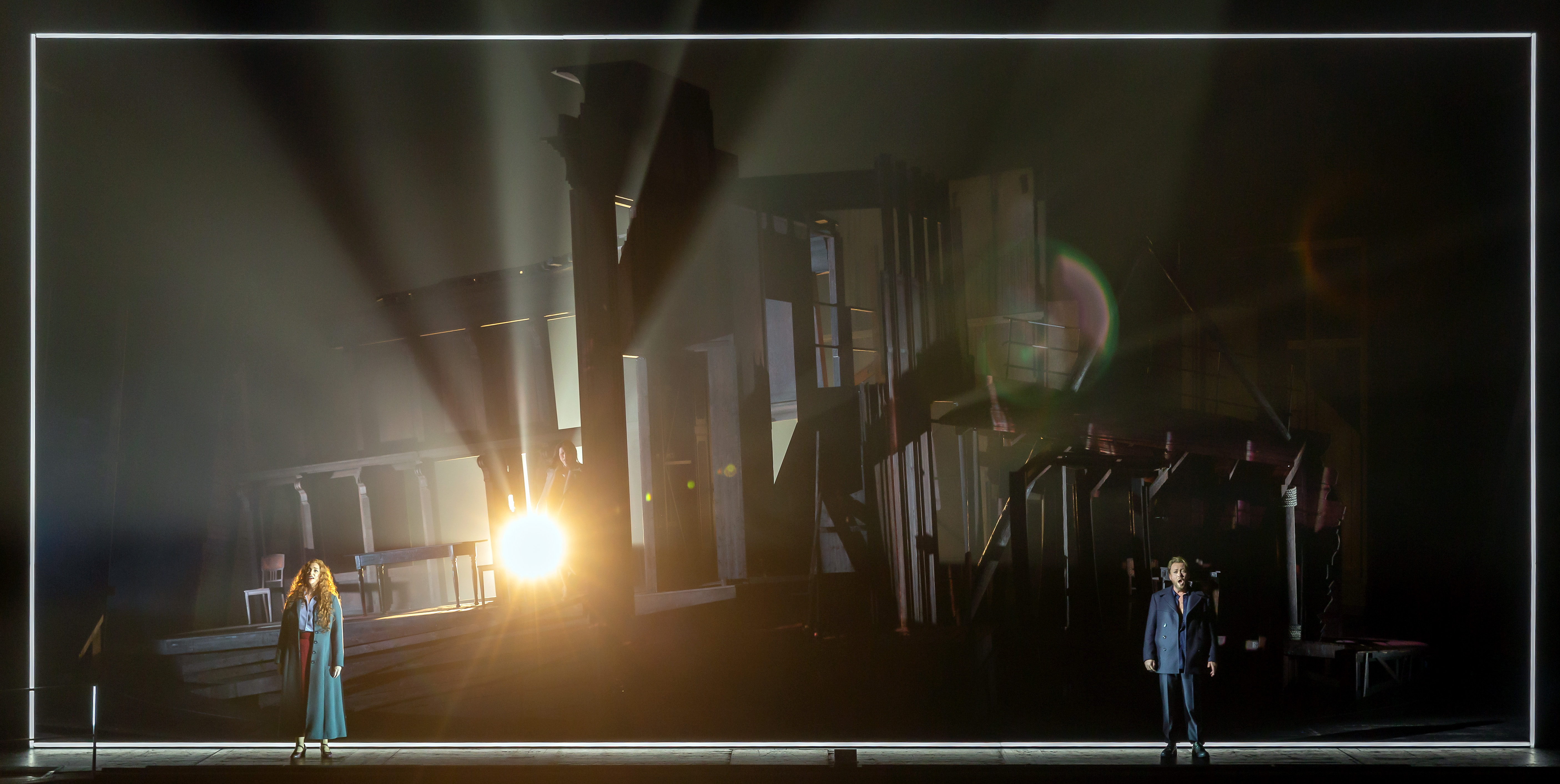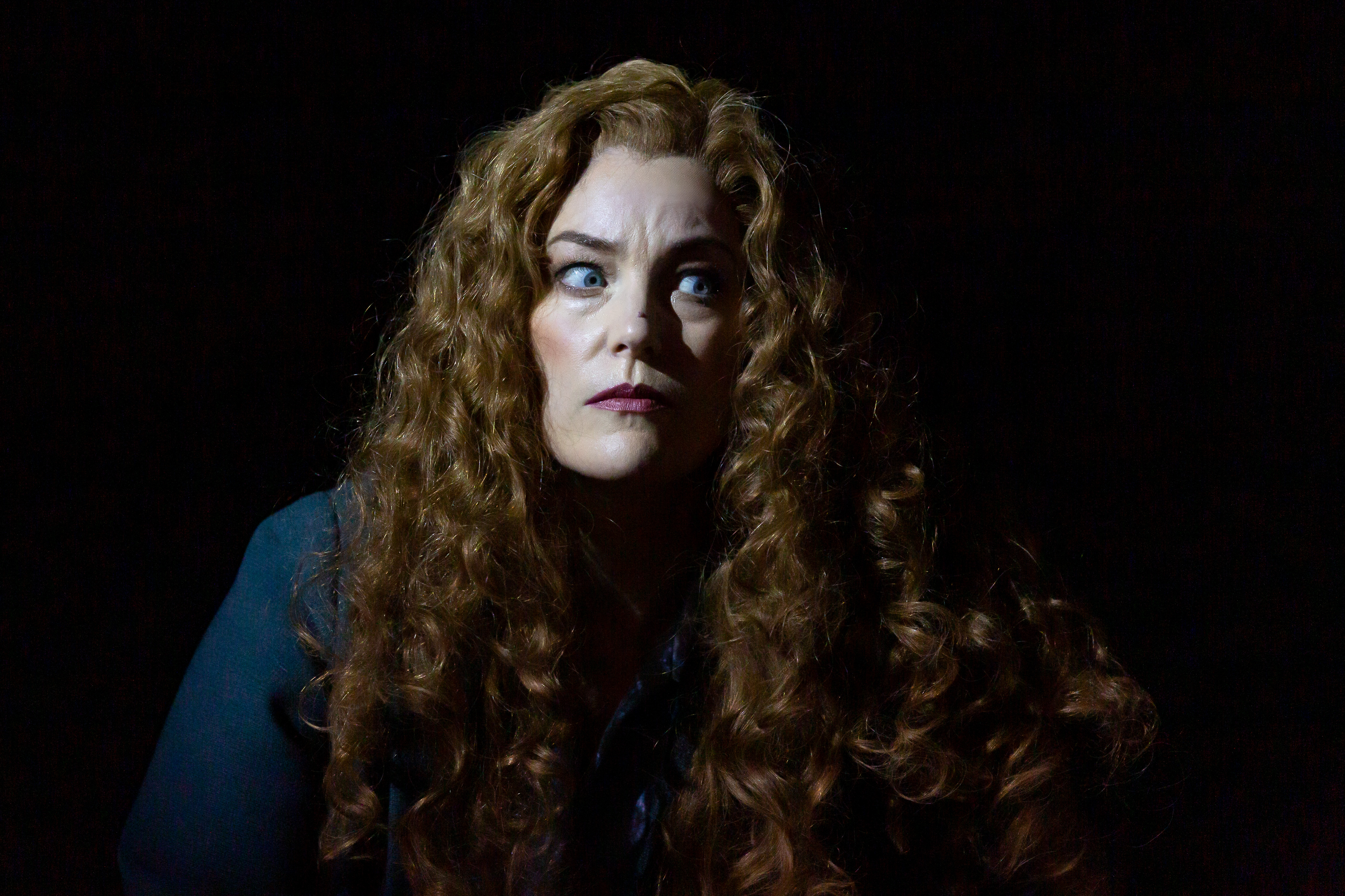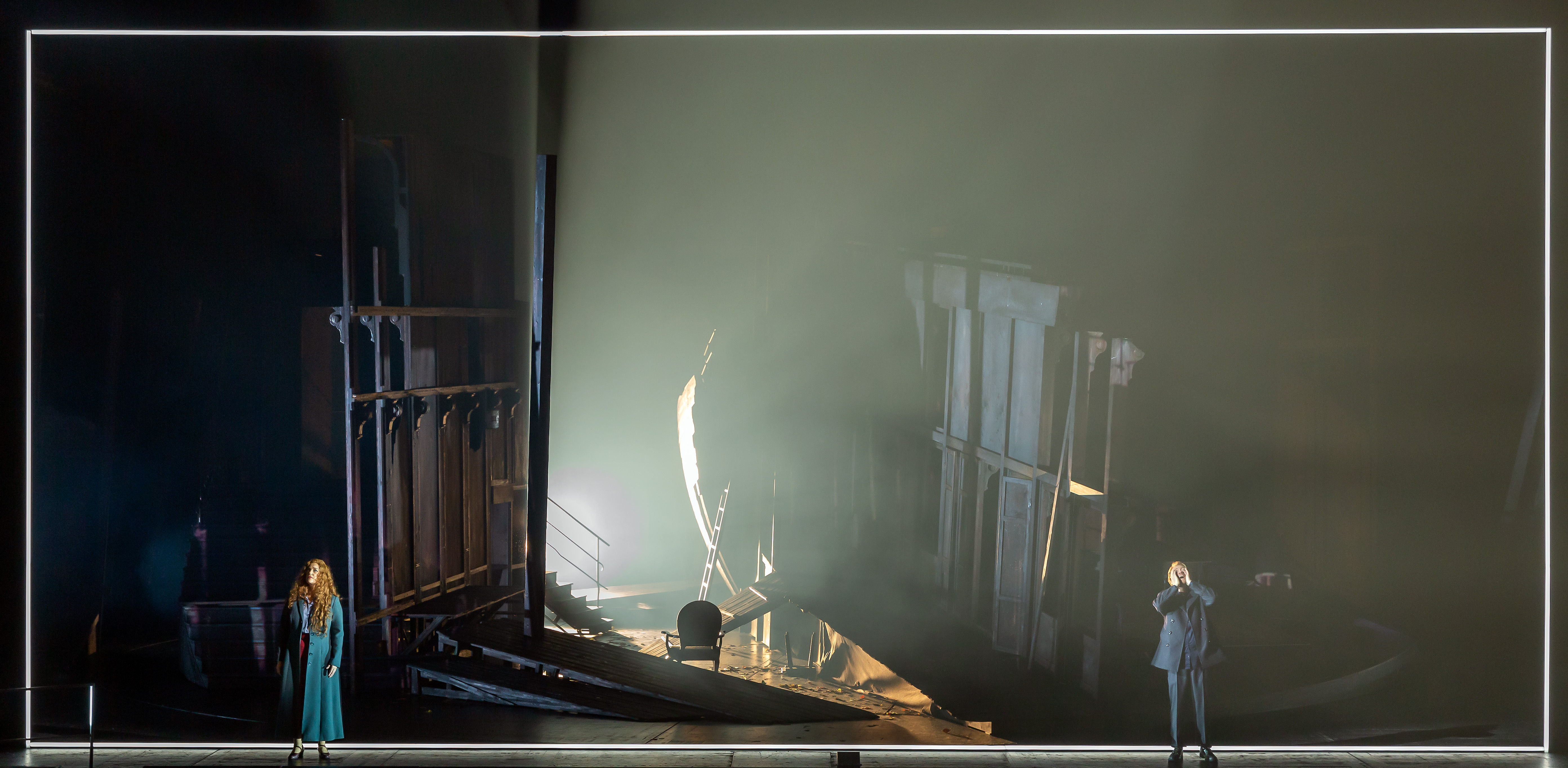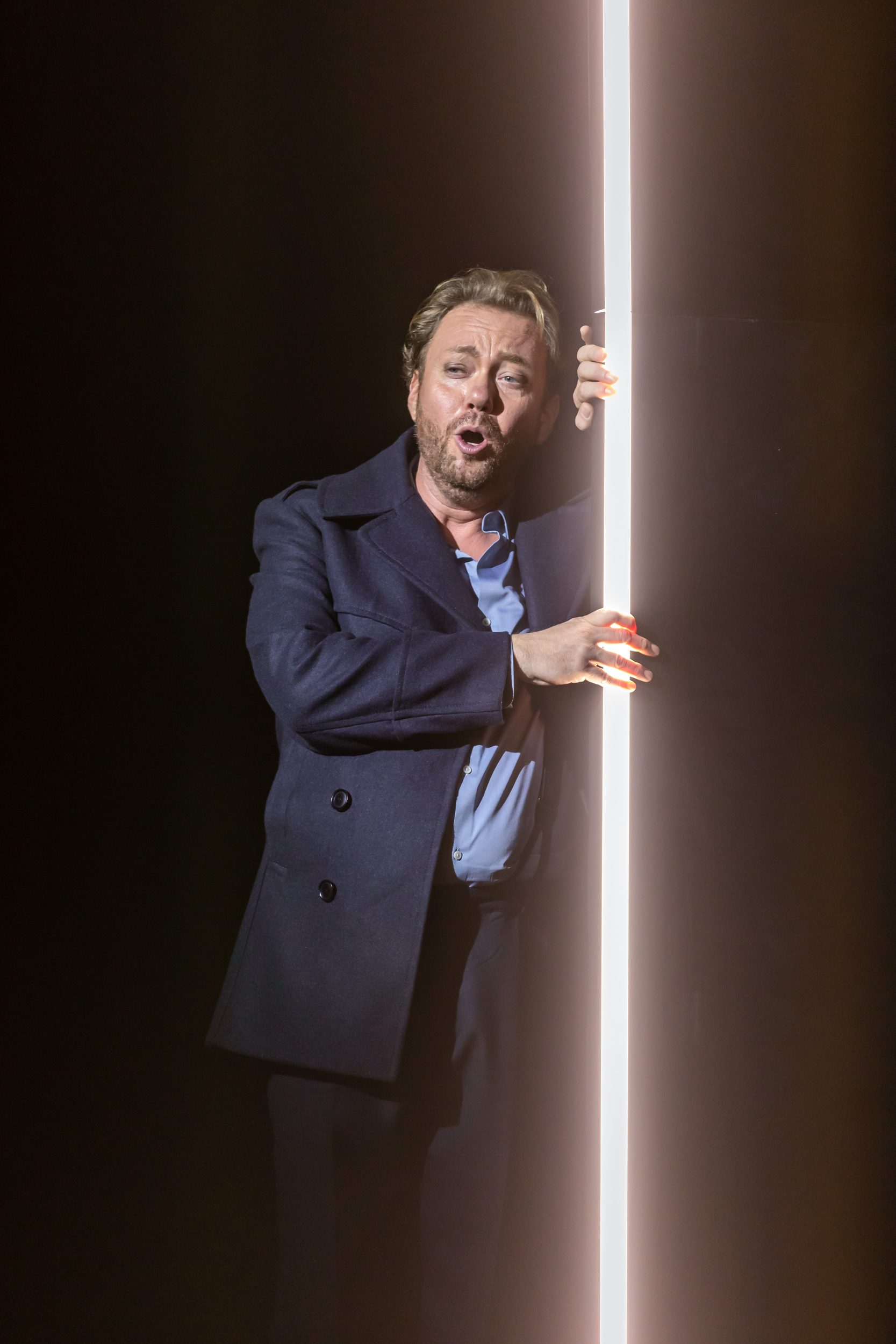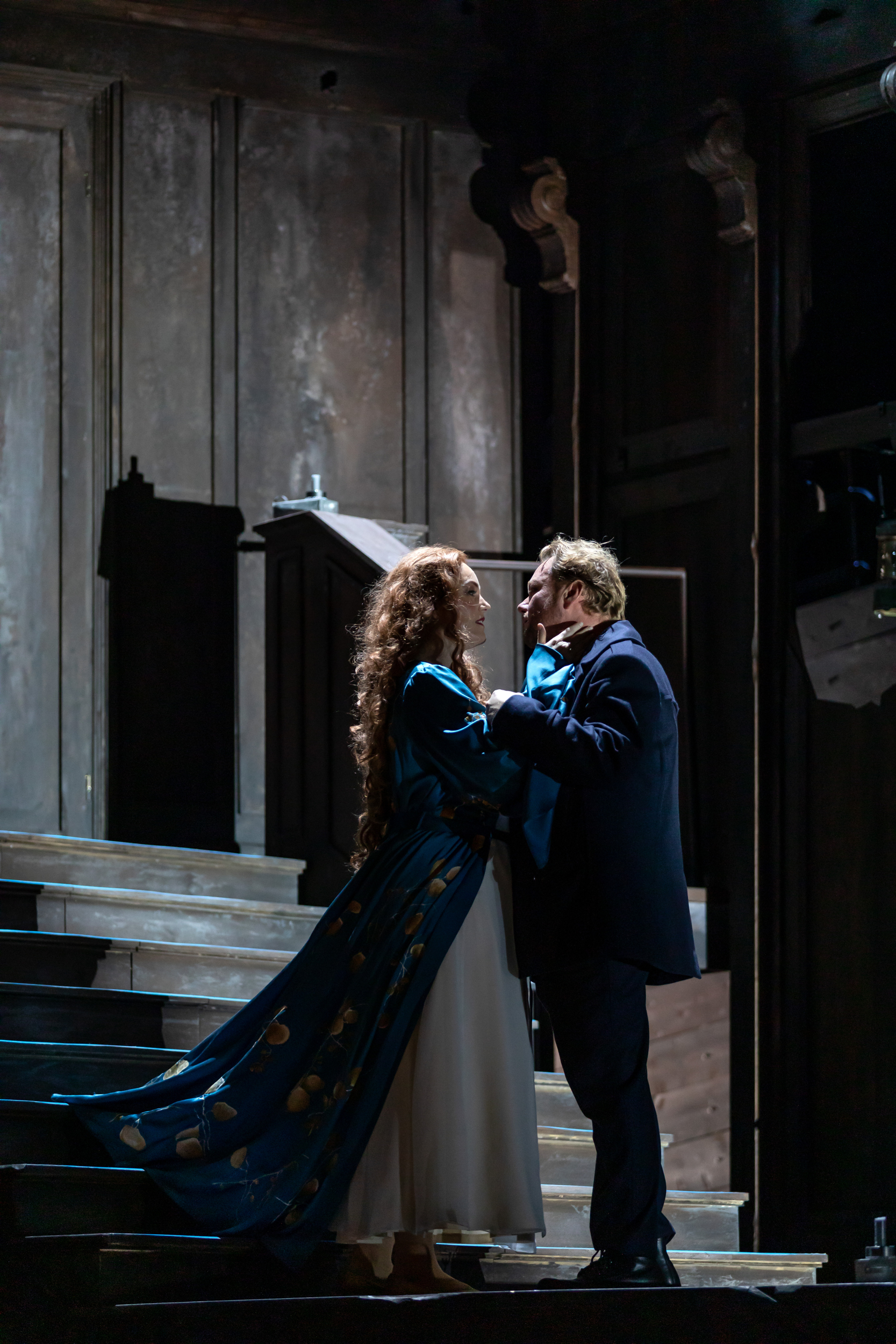
With »Tristan und Isolde«, Richard Wagner created what is arguably his most radical, yet also his most sensual, opera. Two lovers are swept into a maelstrom of passion so intense that redemption is possible only in death.
To escape an unwanted marriage to King Mark of Cornwall, the Irish princess Isolde intends to take her own life. However, together with Tristan, the king’s nephew, she accidentally drinks not poison but a love potion. Tormented by unfulfilled longing, the two henceforth live for the desire to be united in death.
For his »Tristan«, Richard Wagner adapted the medieval epic by Gottfried von Straßburg and drew inspiration from Schopenhauer’s philosophy. He combined Schopenhauer’s pessimistic ideas about the quest for the end of existence with his own inclination towards sensual devotion. To this end, he created music that gives voice to the overwhelming emotions of the characters, who are barely active anymore. Like the lovers’ ever-growing desire, the music ceaselessly strives for redemption. The almost symphonic musical language employed by Wagner is characterised by the collapse of tonality and extreme chromaticism – a timeless »endless melody« for eternity, which was to irreversibly influence the course of music history.